
About Us 8 yrs
Stage acting taught without shortcuts — grounded in craft, shaped by real performance experience, and built for students who want to actually understand what they're doing on stage.
What Platinex Psi
actually is
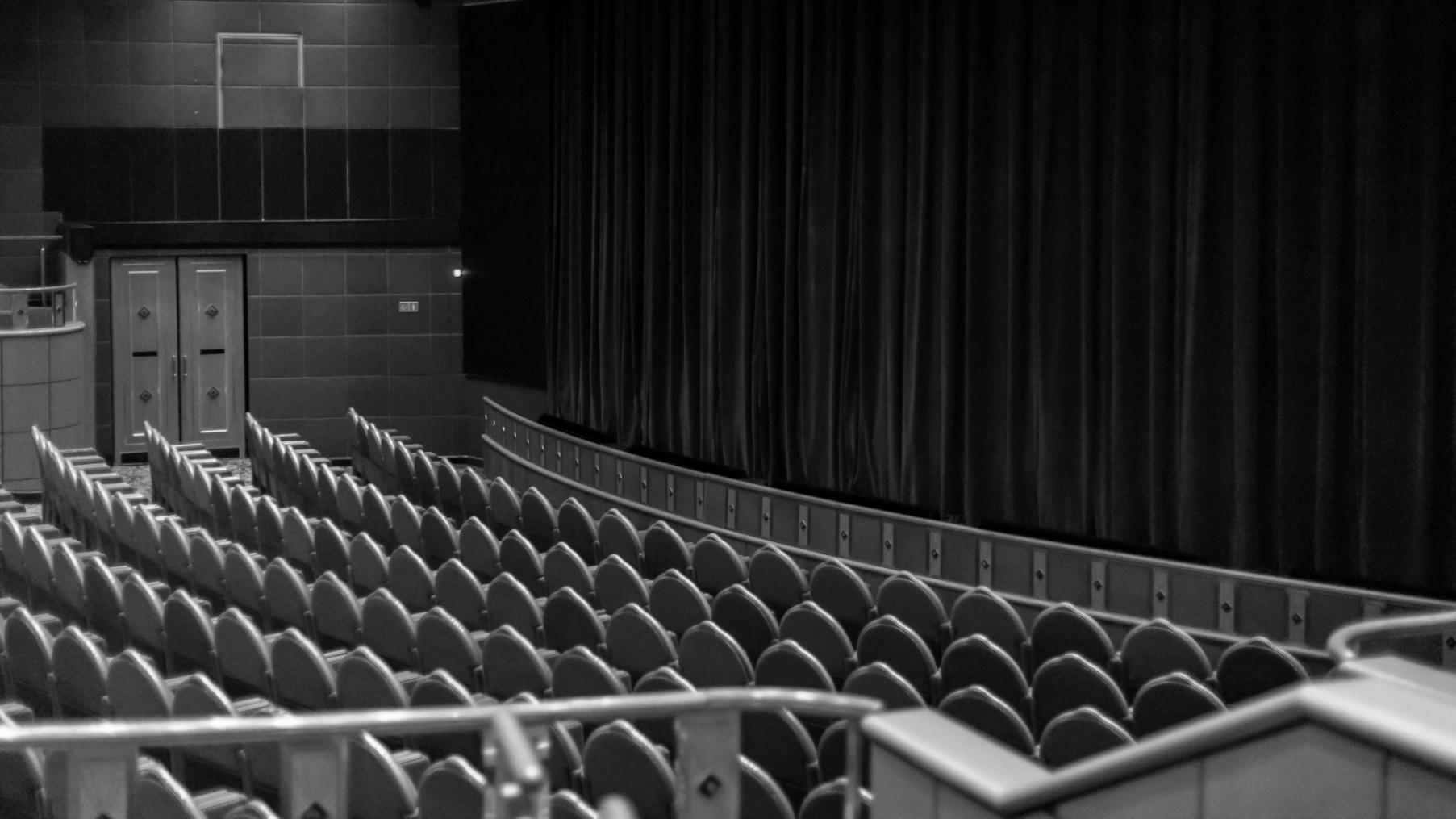
Platinex Psi is a stage acting school based in Kyiv, running since 2016. Over 7 years of continuous work with students who come in at wildly different starting points — some with zero stage experience, some with theatre school backgrounds who want to unlearn rigid habits.
Classes run in groups of no more than 12 people, which is deliberate. Larger groups make it easy for a student to disappear into the background for 40 minutes and call it a session. At 12, that's not possible — every person works, every person gets seen and heard.
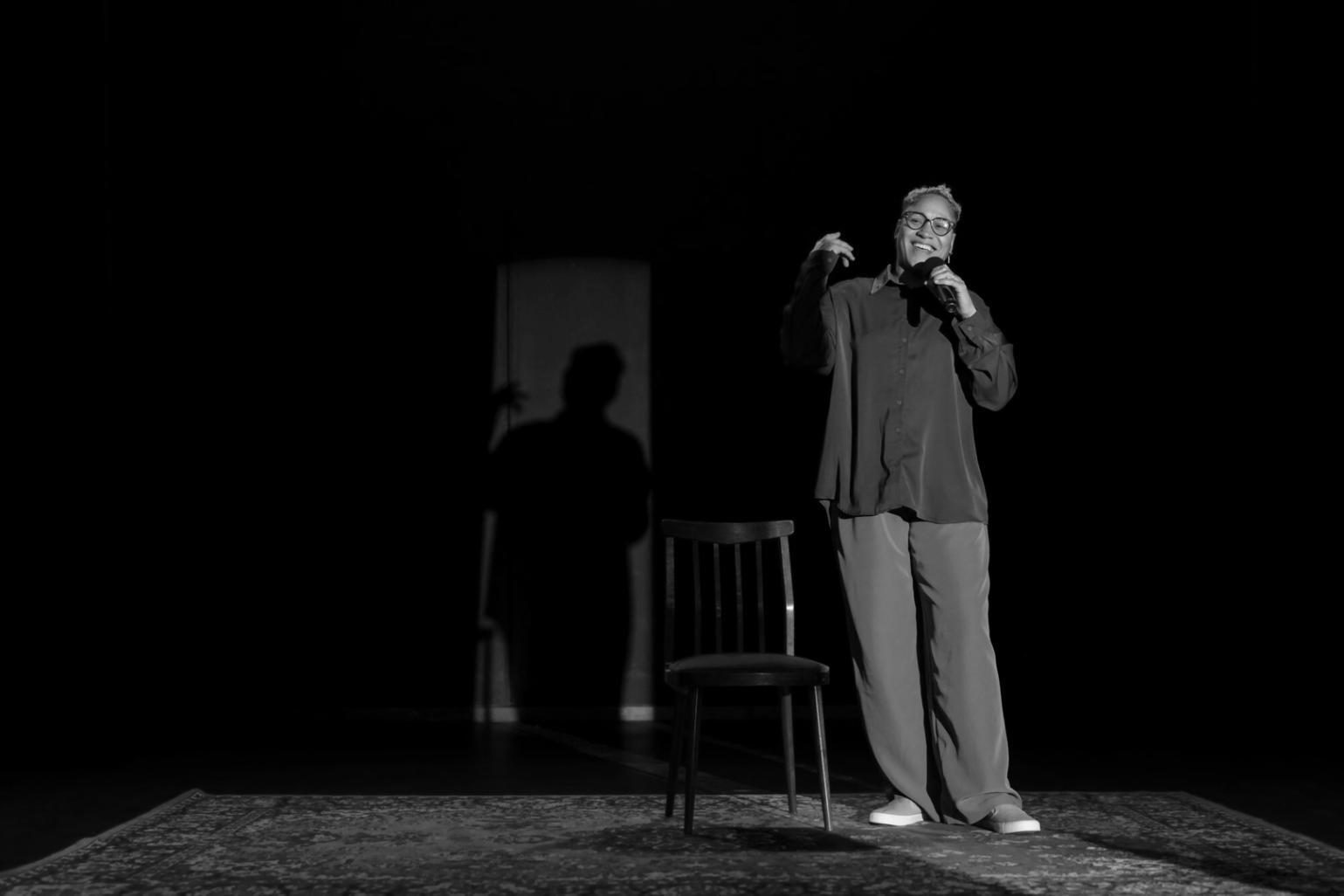
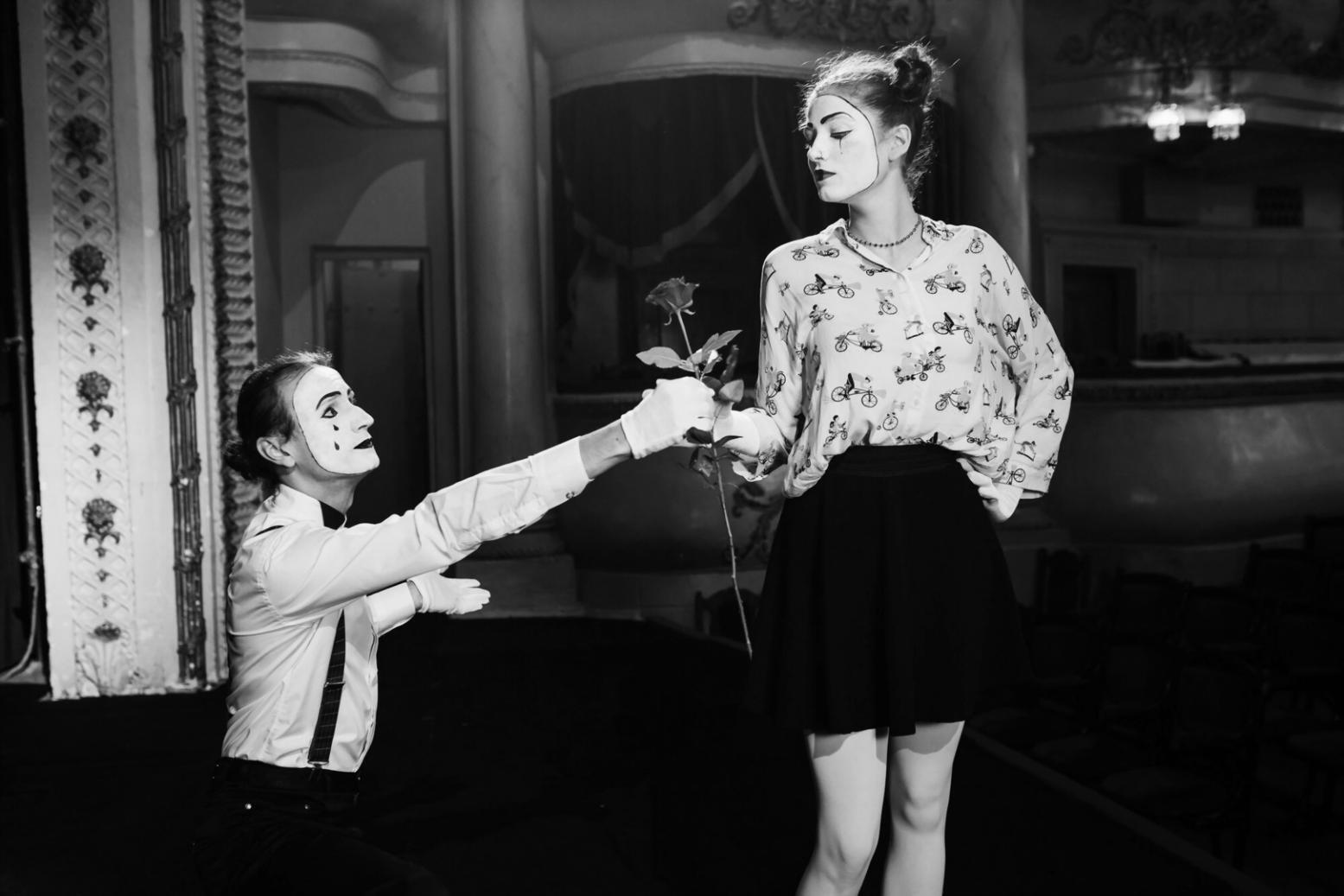
The curriculum covers text analysis, physical presence, voice placement, scene work, and improvisation — not as separate disciplines but as parts of the same thing. A scene doesn't work because the lines are memorized; it works because the actor understands what their character wants in that specific moment.
The instructor
One lead teacher, not a rotating roster. Students work with the same person across all sessions, which matters more than it might seem — consistency in feedback is how progress actually accumulates.

Daryna Kovalchuk
Lead Acting Instructor
"Students don't fail because they lack talent. They get stuck because nobody has shown them how to read a scene as a set of specific, solvable problems — not as a vague feeling they're supposed to produce."
— Daryna Kovalchuk
-
Text before emotion
Every session starts with the written word — what the playwright actually put there, not what the actor assumes they meant.
-
Repetition with variation
Scenes are run multiple times with different given circumstances — same lines, different stakes, different relationship history.
-
Feedback that names the problem
Notes are specific — not "be more present" but "you stopped listening to your scene partner at line 6, and it showed."
-
Physical and vocal work integrated
Body and voice are treated as one instrument — posture, breath, and diction are addressed inside scene work, not in separate warm-up drills.
How the program is structured
Three levels, each lasting 16 weeks with 2 sessions per week. The sequence is not arbitrary — each stage introduces tools that only make sense after the previous ones are in place.

The final module of each level ends with a closed showing — not a polished production, but a working presentation of scenes for an invited audience of about 20 people. The pressure of a real audience changes how actors hold the material, and that difference is part of the curriculum.
Foundations — 16 weeks
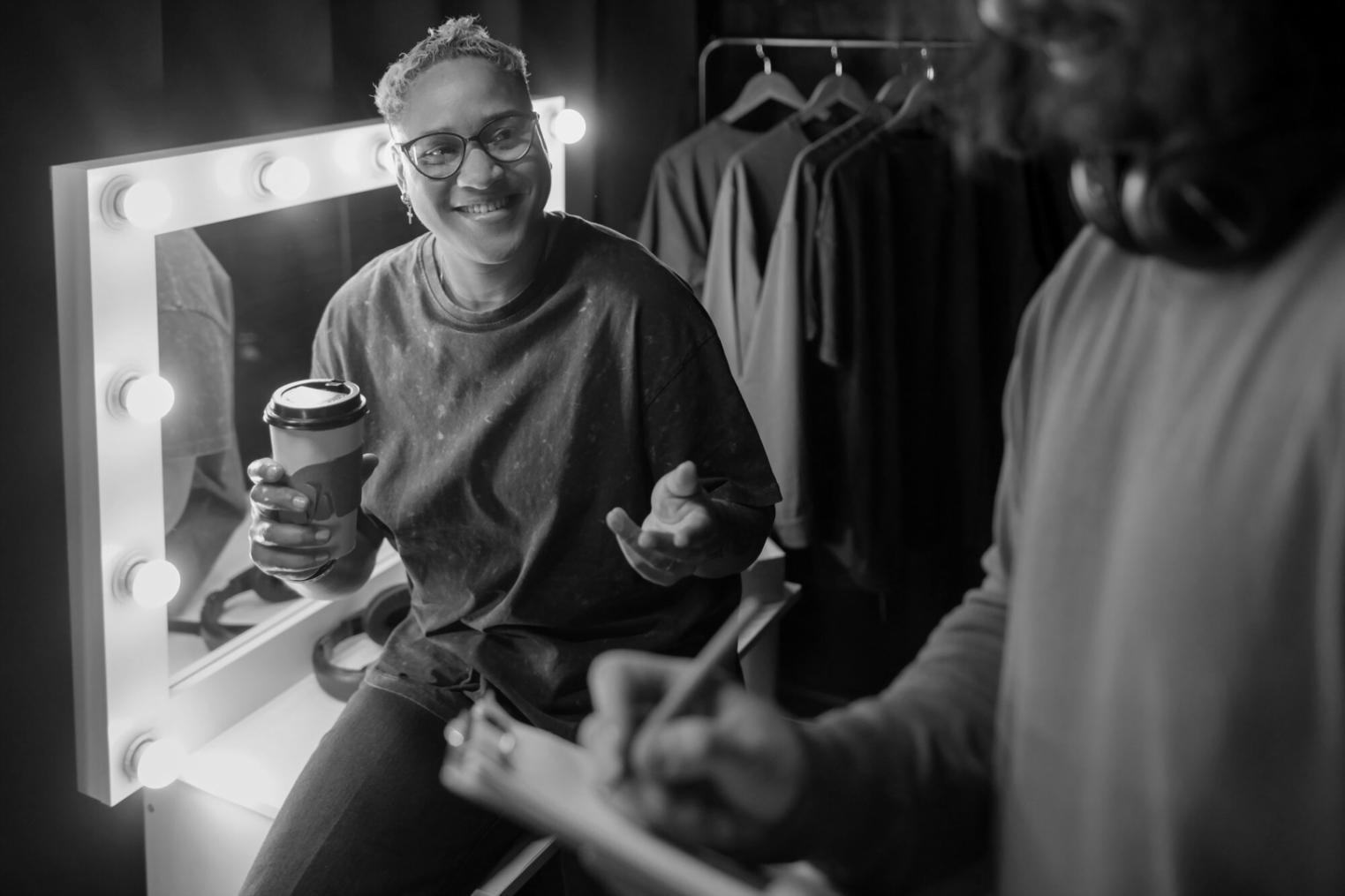
Observation, listening, and basic scene structure. Students work with short 2–3 page scenes and learn to break them into beats. No monologues in this level — partner work only.
Scene Work — 16 weeks
Longer scenes, classical and contemporary texts, introduction of monologue work. Students begin to direct each other under instructor supervision — a deliberate tool for developing analytical reading.
Performance Practice — 16 weeks
Full-length scenes, ensemble work, and a 45-minute showing at the end of the module. Students work with material from at least 3 different dramatic traditions across this level.